Casey Coates
Casey Coates grew up in the United States during a time when environmental awareness was still developing in public discourse, yet her early surroundings and experiences helped shape a strong sense of responsibility toward nature and human well-being. While detailed public records of her childhood are limited, biographical summaries consistently describe her as someone drawn early to creativity, design, and thoughtful observation of the world around her. This foundation played a significant role in how she later approached both her professional and personal life. Her early years were marked by curiosity about how living spaces influence human behavior, comfort, and emotional health, which eventually guided her toward interior design. At the same time, she developed a sensitivity to broader environmental concerns, an awareness that would later become central to her identity as an activist. These formative influences created a balance between artistic expression and a deeper concern for sustainability, setting the stage for her future work in both design and environmental advocacy.
First Steps in Design and Creative Career
Casey Coates began her professional journey in the field of interior design, where she developed a reputation for blending aesthetic sensibility with functional living spaces. Her approach to design was not limited to decoration alone; instead, she focused on how environments affect people’s emotional and physical well-being. This perspective set her apart in a field often driven purely by visual trends. She worked on creating spaces that were both practical and harmonious, reflecting a deeper understanding of balance between human needs and environmental context. Over time, her design philosophy became more refined, emphasizing simplicity, natural flow, and thoughtful use of materials.
As her career progressed, Coates continued to build her creative identity while balancing personal responsibilities. She became known for her ability to manage complex projects while maintaining a strong attention to detail. Her work in interior design also allowed her to engage with architecture, sustainability concepts, and spatial planning in ways that later influenced her environmental thinking. Although she was not yet publicly recognized as an activist during this stage, the foundation for her future advocacy was already forming through her professional focus on livable, human-centered environments that respected both people and the spaces they inhabit.
Marriage to Ted Danson and Rise to Public Attention
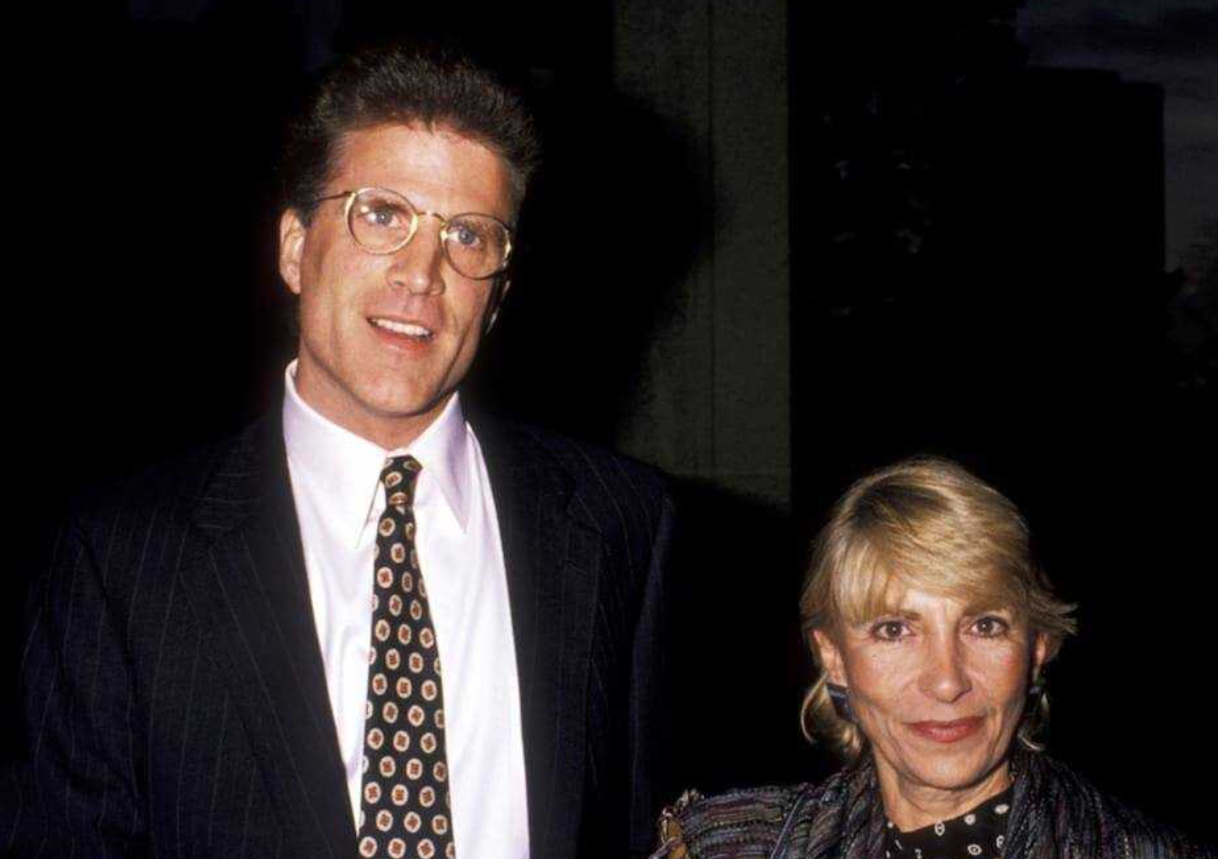
Casey Coates gained wider public visibility after her marriage to actor Ted Danson in 1977, a relationship that brought her into proximity with Hollywood’s growing spotlight. While she had already established herself professionally in design, this marriage significantly increased media attention on her personal life. During this period, she was often mentioned in entertainment coverage due to Danson’s rising fame in television and film. Despite this increased visibility, she largely maintained her own professional identity, continuing her work in design while managing family responsibilities and public curiosity about her private life.
A Life-Changing Health Crisis and Recovery Journey
In 1979, Casey Coates experienced a severe health crisis when she suffered a stroke during the birth of her first child. This event was sudden and life-altering, creating immediate medical complications and requiring an extended period of recovery. At the time, she was relatively young, and the experience forced her to confront both physical vulnerability and long-term uncertainty about her health. The stroke not only affected her physically but also reshaped her emotional outlook, shifting her priorities toward family, healing, and a more purposeful engagement with life. It became one of the most defining moments in her personal story, influencing how she approached challenges in the years that followed.
Her recovery process was gradual and demanding, involving rehabilitation and ongoing adjustment to physical limitations. However, rather than withdrawing from public or professional life, she slowly rebuilt her strength and reoriented her focus. This period of recovery is often described as a turning point that deepened her resilience and empathy. It also contributed to a broader awareness of health, environment, and quality of life—ideas that would later connect to her environmental advocacy. The experience reinforced her belief in the importance of systems that support human well-being, laying emotional and philosophical groundwork for her future activism.
Founding the American Oceans Campaign
Casey Coates played a key role in co-founding the American Oceans Campaign, an organization created to raise awareness about the urgent need to protect marine ecosystems in the United States. The initiative emerged from a growing concern about ocean pollution, overfishing, and the lack of strong public policy addressing marine environmental issues. Through this organization, Coates helped bring attention to the interconnectedness of human activity and ocean health, emphasizing that coastal and marine degradation ultimately affects communities, economies, and future generations. The campaign focused on education, advocacy, and policy influence, aiming to make ocean conservation a mainstream public concern rather than a niche environmental issue. Over time, this work contributed to broader national conversations about sustainability and helped lay the groundwork for more established ocean conservation groups that followed.
Environmental Advocacy and Ocean Conservation Work
After establishing herself in environmental advocacy, Casey Coates continued to focus on ocean conservation issues through public awareness campaigns and collaborative environmental efforts. Her work emphasized the growing threats facing marine ecosystems, including pollution, habitat destruction, and unsustainable fishing practices. She helped communicate these concerns in a way that connected scientific issues to everyday human life, making environmental protection feel urgent and relatable rather than abstract. By participating in outreach efforts and supporting conservation initiatives, she contributed to a broader cultural shift that encouraged greater public responsibility toward the oceans.
Coates’s advocacy also aligned with larger environmental movements that gained momentum in the late 20th century. Her efforts, along with those of other activists, helped bring marine protection into policy discussions and nonprofit initiatives. Over time, organizations like the American Oceans Campaign evolved and merged into larger entities such as Oceana, expanding the reach and impact of early conservation work. Her role is often recognized as part of the foundational wave of activism that helped shape modern ocean advocacy, where public education, research, and policy reform work together to protect marine biodiversity.
Legacy and Influence on Modern Environmental Movements
Casey Coates is often viewed as part of the early generation of environmental advocates who helped bring ocean conservation into mainstream awareness before it became a widely recognized global priority. Her work contributed to shifting public perception of marine ecosystems from distant natural spaces to essential systems directly tied to human survival. By supporting campaigns focused on pollution control and sustainable ocean use, she helped lay conceptual groundwork that later environmental organizations expanded into large-scale policy and scientific initiatives. Her influence is especially visible in how modern environmental movements now frame oceans not only as ecological resources but also as critical climate regulators.
Continuing Impact and Public Perception Today
In recent years, Casey Coates has maintained a relatively low public profile compared to her earlier years in the spotlight, but her influence continues through the organizations and environmental frameworks she helped support. Her name is still associated with early ocean advocacy efforts that contributed to shaping stronger public awareness of marine conservation issues. Even though she is not actively positioned as a mainstream public spokesperson today, her earlier work continues to resonate within environmental circles that recognize the importance of foundational activism in building long-term change. Her story is often referenced as an example of how personal experience and professional commitment can evolve into broader social impact.
Public perception of Coates today tends to focus on her dual legacy as both a designer and an environmental advocate. Rather than being defined solely by her connection to Hollywood or her family life, she is increasingly viewed through the lens of environmental history and early conservation efforts. This balanced perspective highlights her role in supporting causes that have grown significantly over time, especially ocean protection and sustainability. As modern environmental challenges intensify, her contributions are often revisited as part of the early movement that helped bring marine issues into mainstream global awareness.
Conclusion
Casey Coates represents a unique blend of creative design thinking and environmental advocacy, with a life story that connects personal experience to public impact. From her early work in interior design to her later role in ocean conservation efforts, she consistently demonstrated an ability to translate awareness into meaningful action. Her involvement in founding and supporting initiatives like the American Oceans Campaign helped elevate marine protection issues at a time when they were still gaining public attention, contributing to a broader shift in how environmental responsibility is understood today.
FAQ’s
1. Who is Casey Coates?
Casey Coates is an American interior designer and environmental activist known for her work in ocean conservation and her role in co-founding the American Oceans Campaign.
2. What is Casey Coates known for?
She is best known for her environmental advocacy, particularly efforts focused on protecting oceans and raising awareness about marine pollution.
3. Was Casey Coates married to Ted Danson?
Yes, she was married to actor Ted Danson from 1977 to 1993, and they have two daughters together.
4. What is her legacy in environmental activism?
Her legacy lies in helping bring early attention to ocean conservation issues and contributing to the foundation of modern marine protection movements.
About the Author