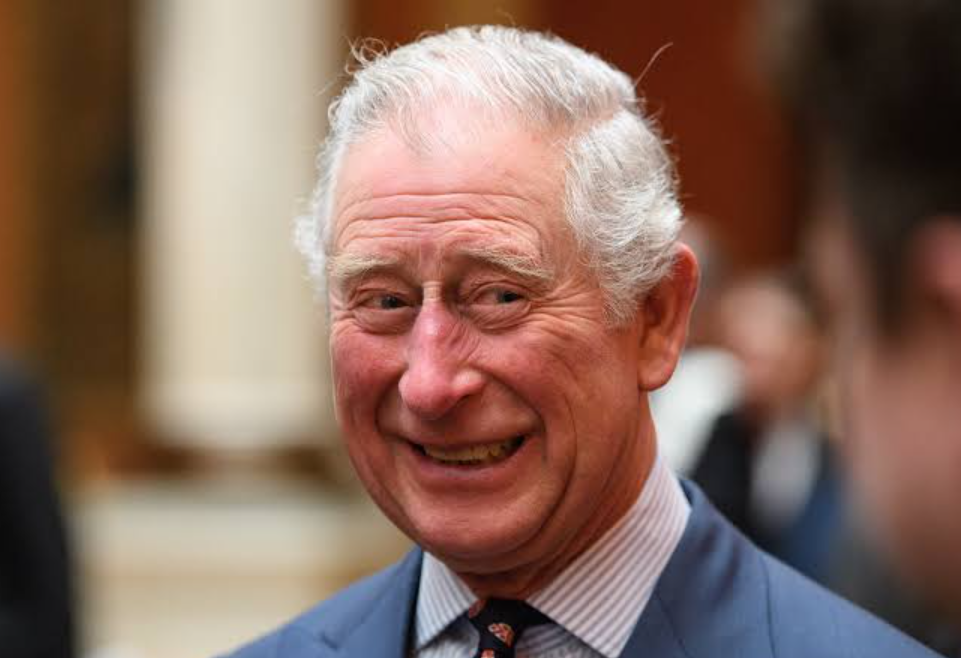
Prince Charles
Prince Charles has had one of the most closely watched royal journeys in modern history, shaped by duty, tradition, and public expectation from the moment of his birth. As the eldest son of Queen Elizabeth II, his life was mapped out for future kingship long before he fully understood its weight, making his journey unique compared to other global leaders. Over the decades, he transitioned from a reserved young royal into a mature statesman who gradually embraced his responsibilities within the monarchy, adapting to changing times while still holding onto long-established royal values. His journey is often seen as a blend of personal struggle, public service, and lifelong preparation for the throne, making him a central figure in modern British history.
Early Life and Royal Birth
Prince Charles was born on 14 November 1948 at Buckingham Palace, London, as the first child of Queen Elizabeth II and Prince Philip, Duke of Edinburgh. From the very beginning, his life carried immense significance because he was the direct heir to the British throne. His birth was widely celebrated across the United Kingdom and the Commonwealth, as it symbolized continuity for the royal family in the post-war era. Even as an infant, his role in history was already defined, and he was raised with the awareness that one day he would become king.
During his early childhood, Prince Charles lived between royal residences such as Buckingham Palace, Windsor Castle, and Balmoral Castle, experiencing a structured and disciplined upbringing. His parents’ demanding royal duties meant he often spent time under the care of nannies and tutors, which shaped his reserved personality. Despite the distance from a typical family life, these early experiences helped build his sense of responsibility and duty, qualities that would later define his public service as King Charles III.
Education and Military Service
Prince Charles received a carefully structured education designed to prepare him for future royal responsibilities. He studied at Cheam School and later at Gordonstoun in Scotland, a school known for its strict discipline, physical challenges, and focus on character development. Although he initially found the environment demanding, the experience helped him build resilience, independence, and a strong sense of duty. He later continued his studies at Trinity College, Cambridge, becoming the first British heir apparent to earn a university degree, where he studied archaeology and anthropology before switching to history.
Becoming the Prince of Wales
Prince Charles was officially invested as the Prince of Wales in 1969 in a grand ceremony held at Caernarfon Castle in Wales. At just 20 years old, he was given one of the most important titles in the British monarchy, symbolizing his position as heir apparent to the throne. The investiture ceremony was a historic moment, widely broadcast and watched by millions, marking his formal introduction to national duties and responsibilities. This event also highlighted the monarchy’s effort to connect with the people of Wales, even though it was met with mixed reactions in some regions.
Following his investiture, Prince Charles began taking on more official royal duties, representing the Queen at national and international events. He gradually developed a strong interest in public service, environmental issues, and cultural preservation. Over time, he built several charitable organizations, including The Prince’s Trust, which focused on helping young people gain education, training, and employment opportunities. This period was crucial in shaping his public identity as a working royal dedicated to social causes and long-term community development.
Marriage to Princess Diana and Queen Camilla
Prince Charles married Lady Diana Spencer in 1981 in what became one of the most globally watched royal weddings in history. The marriage initially captured worldwide attention and admiration, especially with the birth of their two sons, Prince William and Prince Harry. However, over time, the relationship became strained due to personal differences and intense media scrutiny, eventually leading to their separation in 1992 and divorce in 1996. Despite the challenges, this chapter significantly shaped public perception of Charles and the modern monarchy.
Ascension to the Throne in 2022
Prince Charles became King Charles III on 8 September 2022 following the death of his mother, Queen Elizabeth II, who had been the longest-reigning monarch in British history. His ascension marked the end of an era and the beginning of a new chapter for the British monarchy. As the longest-serving heir apparent, his transition to king was widely expected, yet it still carried deep emotional significance for the nation and the Commonwealth. Upon the Queen’s passing, Charles immediately assumed the responsibilities of the throne in accordance with constitutional tradition.
Soon after, he was officially proclaimed King Charles III in a formal ceremony attended by senior members of the royal family and government officials. His accession speech emphasized continuity, duty, and commitment to public service, reflecting the values he had upheld throughout his life as Prince of Wales. This moment not only confirmed his role as monarch but also set the tone for a reign focused on stability, unity, and gradual modernization of the monarchy.
Reign as King Charles III
Prince Charles, now King Charles III, began his reign with a focus on continuity, constitutional duty, and modern relevance for the monarchy. Early in his reign, he continued many of the themes he championed as Prince of Wales, particularly environmental sustainability, youth opportunity programs, and interfaith dialogue. His leadership style has been described as more engaged and communicative, aiming to balance tradition with the expectations of a modern global society. He also took on the symbolic role of unifying the Commonwealth during a period of political and social change across member nations.
Legacy, Leadership, and Global Influence
Prince Charles has built a legacy that extends far beyond his role as monarch, largely shaped by decades of advocacy and public service. One of his most significant contributions has been his long-standing commitment to environmental protection, where he was an early voice warning about climate change, sustainable agriculture, and ecological preservation. Long before these issues became mainstream global concerns, he used his platform to promote awareness and encourage action, earning recognition from environmental organizations worldwide. His leadership style reflects a blend of tradition and forward-thinking values, aiming to preserve the monarchy while making it more relevant to modern society.
On a global level, King Charles III continues to influence diplomatic and cultural relations across the Commonwealth and beyond. His ability to engage with world leaders, support charitable initiatives, and represent British values abroad has strengthened the monarchy’s soft power. While his leadership is often seen as more understated compared to political figures, his influence lies in consistency, moral advocacy, and long-term vision. This combination of tradition, diplomacy, and activism has helped define his legacy as one of the most complex and enduring royal figures of the modern era.
Conclusion
In conclusion, the life and journey of Prince Charles reflects a rare combination of tradition, responsibility, and transformation. From his early days as the heir apparent to becoming King Charles III, his path has been defined by decades of preparation, public service, and evolving leadership. His story highlights not only the continuity of the British monarchy but also its adaptation to modern global challenges, including environmental issues, cultural change, and public expectations. Today, his legacy continues to grow as he balances royal tradition with a vision for a more sustainable and engaged monarchy.
FAQs
1. Who is Prince Charles now?
He is now King Charles III, the reigning monarch of the United Kingdom.
2. When did Prince Charles become king?
He became king on 8 September 2022 after Queen Elizabeth II passed away.
3. Who are King Charles III’s children?
He has two sons: Prince William and Prince Harry.
4. What is King Charles known for?
He is known for environmental advocacy, royal duties, and charitable work through The Prince’s Trust.
About the Author