
Cooking Class
Cooking is not just about the ingredients and the recipe. It’s an art that combines creativity, precision, and passion, creating an experience that tantalizes all senses. For many, the kitchen is a place of intimidation rather than inspiration; however, stepping into a cooking class can shift that perspective dramatically. Whether you’re looking to refine your culinary skills, learn new recipes or simply enjoy a unique social experience, a cooking workshop might just be the perfect ingredient to enhance your cooking journey. In this article, we explore the various benefits of taking cooking classes.
Unlocking Culinary Creativity Through Cooking Classes
Entering a cooking class is like opening a door to a world of culinary creativity. Students are often exposed to a wide array of cuisines, ingredients, and cooking techniques they may never have encountered. This exposure can ignite a newfound passion for cooking and the discovery of personal culinary styles. It is not uncommon for cooking class attendees to leave with a growing curiosity about the world of food and an eagerness to experiment in their own kitchens.
The structured environment of a cooking class provides the perfect platform for learning and trying out new ideas without the fear of waste or failure. Professional chefs bring years of experience and secrets of the trade that home cooks wouldn’t typically have access to. This can lead to innovative problem-solving in the kitchen, teaching students to think on their feet and adapt recipes to their personal taste or dietary requirements.
Moreover, being around like-minded food enthusiasts can foster an environment of shared ideas and creativity. When you see others take risks and succeed, it can be just the encouragement needed to try something audacious yourself. The group setting can also inspire collaboration on recipes and inspire a sense of camaraderie among participants.
For anyone looking to enhance their creative cooking skills, a cooking class nyc might be the perfect place to start. These classes often cater to a range of interests and skill levels, making them accessible to everyone from beginners to seasoned home chefs looking to push their culinary boundaries further.
The Social Spice: Building Connections in Cooking Workshops

Cooking classes are not just about the food; they’re rendezvous points for individuals from all walks of life. The shared interest in food and cooking naturally fosters a sense of community and companionship among attendees. This atmosphere of warmth and togetherness is often what keeps people coming back to these classes.
For those who live alone or have a small family, a cooking workshop provides an opportunity to cook in larger groups, which can be especially rewarding. Participants can split tasks, learn from each other, and enjoy the fruits of their labour together, turning meal preparation into a social affair rather than a solitary one.
Furthermore, these classes can function as networking hubs, connecting home chefs, food entrepreneurs, and those simply seeking a new hobby or social outlet. Such interactions can lead to lasting friendships, potential business partnerships, or the encounter with a new cooking buddy who shares a particular culinary interest.
Many cooking classes end with the group sitting down to enjoy their collective creations, making the dining experience just as integral as the cooking process. It is here that stories are shared, laughter rings out, and the sense of community is at its strongest—all over the universal love of food.
Cooking With Confidence: The Psychological Benefits of Culinary Education
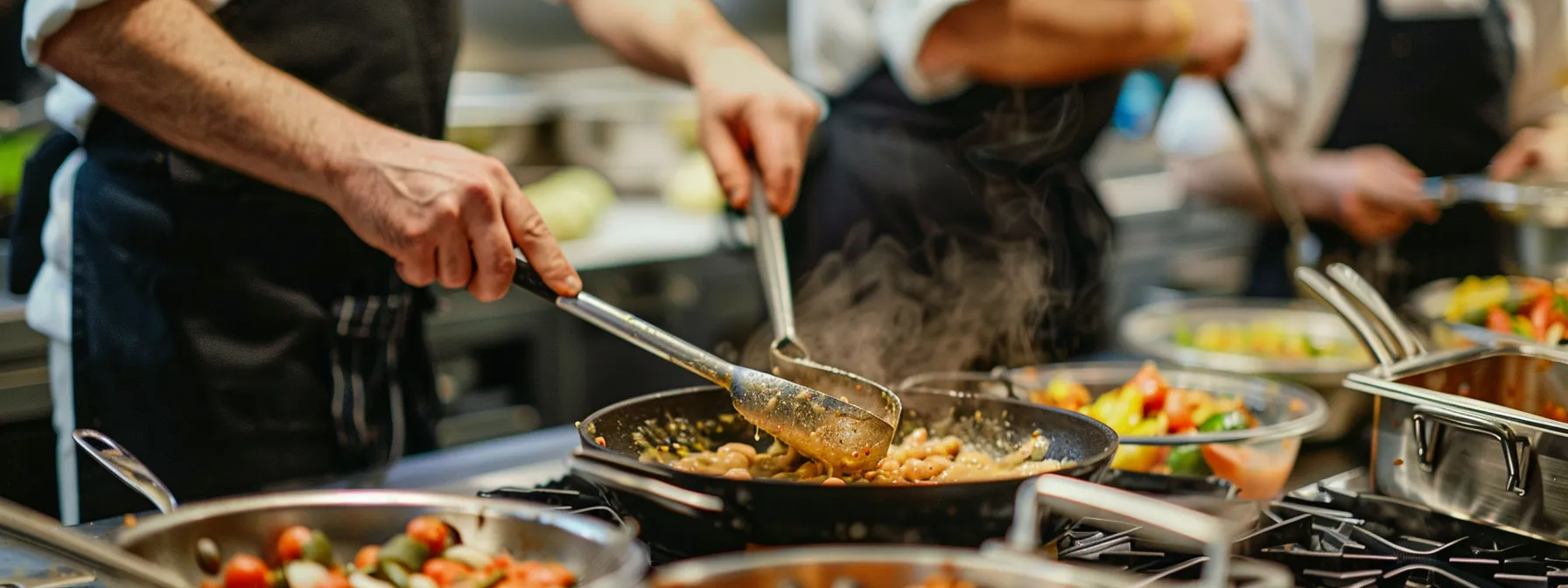
Cooking is a therapeutic activity for many, often offering psychological benefits such as stress relief and enhanced mindfulness. The act of focusing on the task at hand—be it chopping onions or stirring a sauce—allows for a meditative-like practice that can calm the mind and alleviate the stresses of daily life.
Furthermore, the sense of accomplishment that comes from successfully executing a difficult recipe or technique can be hugely satisfying. This feeling reinforces self-efficacy and can be a strong motivator in not just cooking endeavors but also in achieving personal goals outside the kitchen.
A cooking class also provides structure and a sense of routine, which can be comforting to those who crave predictability in their lives. The regularity and anticipation of the next class can provide something to look forward to, contributing to an overall sense of well-being and stability.
The benefits of taking a cooking class extend far beyond learning new recipes and culinary tricks. They offer a multifaceted experience that enriches one’s life socially, creatively, and psychologically. Whether you’re a novice eager to learn the basics or an experienced cook aiming to refine your gourmet skills, cooking classes provide a supportive and rewarding environment to do just that. So, why not stir up your routine and see where a cooking class could take you?
About the Author