Female Snooker Referees
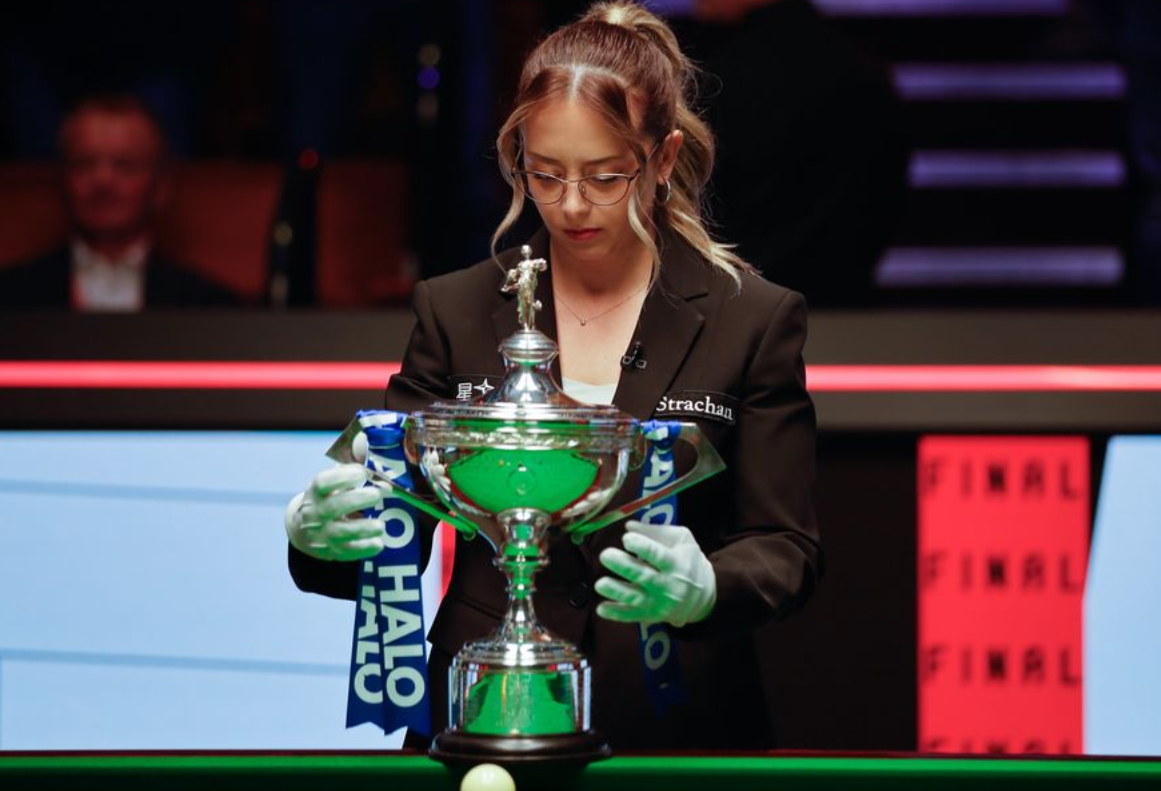
The presence of Female Snooker Referees in professional snooker has grown steadily over the past few decades, reflecting a broader shift toward inclusivity in cue sports. What was once a rare sight on the professional circuit is now increasingly common, with women officiating matches at ranking events, televised tournaments, and even major championship finals. This rise has been supported by structured training programs and a more open pathway into officiating roles, allowing talent and skill—not gender—to define opportunity. As a result, female referees are now an established and respected part of the sport’s modern identity, contributing to its professionalism and global appeal.
Breaking Barriers in Professional Snooker
The journey of Female Snooker Referees into professional snooker has not been without obstacles. For many years, refereeing at the highest level was seen as a role traditionally held by men, largely due to long-standing perceptions within the sport. Early female officials had to demonstrate exceptional consistency, composure, and rule knowledge to be taken seriously in an environment where visibility alone was a challenge. Despite this, their persistence gradually changed attitudes, proving that refereeing excellence is based entirely on competence and not convention.
A major turning point came when pioneers like Michaela Tabb officiated high-profile matches, including world championship finals, setting a new standard for what was possible. Her success helped dismantle outdated assumptions and opened the door for more women to enter the professional circuit. Over time, governing bodies and tournament organizers began to prioritize merit-based selection more strongly, allowing Female Snooker Referees to step confidently into roles that were once considered inaccessible. This shift marked a significant cultural evolution in snooker, one that continues to influence the sport today.
Notable Female Referees in the Sport
Several Female Snooker Referees have made a lasting impact on the professional game through their presence at the highest levels of competition. Michaela Tabb remains one of the most recognized figures, known for officiating major finals and breaking early barriers in the sport. Alongside her, Desislava Bozhilova has become a prominent modern referee, regularly trusted with ranking event finals, including World Championship matches. Tatiana Woollaston has also built a strong reputation on the professional tour, consistently delivering accurate and composed officiating in high-pressure situations. More recently, referees such as Zhu Ying have emerged from international circuits, reflecting snooker’s growing global diversity. Together, these officials demonstrate how female referees are now firmly embedded in the elite structure of the sport.
Training and Certification Pathway for Referees
Becoming a professional snooker referee requires a structured pathway built around formal training, examinations, and practical experience. Aspiring Female Snooker Referees typically begin at the grassroots level, officiating amateur matches where they learn the fundamentals of positioning, foul recognition, and match control. From there, candidates progress through national and international certification programs overseen by governing bodies such as the WPBSA, which ensure that referees meet strict standards before moving into professional tournaments. This step-by-step development ensures consistency and fairness across all levels of the sport.
As referees advance, they are assessed in real match environments where decision-making, concentration, and rule application are closely evaluated. Those who demonstrate high competence may be selected for training camps, ranking events, and eventually televised matches. Continuous learning is also a key part of the process, as rules are periodically updated and referees must stay sharp under evolving professional conditions. This rigorous system has helped produce a strong pool of Female Snooker Referees, ensuring they are fully prepared to officiate at the highest level with authority and confidence.
Impact on Modern Snooker Tournaments
The influence of Female Snooker Referees on modern tournaments goes beyond simply officiating matches—they contribute significantly to the professionalism and global image of the sport. Their presence on the table brings balance, neutrality, and a high standard of officiating that enhances the viewing experience for fans both in the arena and on television. In major ranking events, including televised finals, female referees are now trusted with high-pressure moments where precision and calm decision-making are essential. This reflects the sport’s confidence in their abilities and reinforces the idea that refereeing excellence is built on skill, not gender.
Representation and Gender Diversity in Cue Sports
The growing presence of Female Snooker Referees has become an important symbol of progress in cue sports, reflecting a broader push toward gender diversity and equal opportunity. Their involvement at elite levels shows that snooker is increasingly valuing merit-based selection, where ability and professionalism matter more than tradition. This shift has helped reshape perceptions of the sport, making it more inclusive and appealing to a wider global audience. As female officials appear more frequently in televised events, they also provide visible role models for younger generations who may not have previously considered refereeing as a career path.
This increased representation also has a subtle but powerful cultural effect within the sport. It normalizes diversity in high-performance environments and reinforces the idea that leadership roles in snooker are accessible to everyone with the right training and dedication. Over time, the consistent presence of Female Snooker Referees in major tournaments helps strengthen the sport’s reputation as modern, progressive, and internationally inclusive, aligning it with broader changes happening across global sports governance.
Challenges Faced by Female Referees
Despite the progress made in recent years, Female Snooker Referees still face a range of challenges within professional snooker. One of the most persistent issues is the pressure of visibility, where their performance is often scrutinized more closely than their male counterparts, especially in high-profile televised matches. This added attention can create an environment where even minor mistakes are amplified, requiring an even higher level of mental resilience and consistency. While the sport has become more inclusive, remnants of traditional expectations can still influence how authority on the table is perceived.
The Future of Female Officiating in Snooker
The future of Female Snooker Referees in professional snooker looks increasingly strong as governing bodies continue to prioritize diversity and merit-based progression. With more structured development programs and global scouting, the pathway into elite refereeing is becoming more accessible than ever before. This means we are likely to see a continued rise in the number of women officiating at ranking events, major finals, and international championships. As experience builds across the current generation of referees, their presence will become even more normalized within the sport’s highest levels.
Looking ahead, there is also growing potential for female referees to take on leadership and mentoring roles within officiating organizations. This would not only strengthen the referee pipeline but also ensure that future candidates benefit from experienced guidance. As Female Snooker Referees continue to prove their expertise on the world stage, they are helping shape a more balanced and forward-looking version of the sport—one where opportunity is defined by skill, preparation, and professionalism rather than tradition.
Conclusion
The rise of Female Snooker Referees represents a meaningful evolution in professional snooker, where skill, authority, and composure define success on the table rather than gender. From breaking early barriers to now officiating world championship finals, female referees have become an essential part of the sport’s modern identity. Their continued presence reflects a broader shift toward inclusivity, professionalism, and global representation within cue sports. As opportunities expand and visibility increases, their role is expected to grow even further, shaping the future of snooker in a more balanced and progressive direction.
FAQs
1. Who was the first female snooker referee?
Michaela Tabb is widely recognized as one of the first high-profile female referees, officiating major finals including the World Snooker Championship.
2. Are female snooker referees common today?
Yes, more Female Snooker Referees are now active on the professional tour, especially in ranking events and televised matches.
3. How do you become a snooker referee?
You typically start at amateur level, complete WPBSA training, and progress through certification and professional assessments.
4. Do female referees officiate major finals?
Yes, several female referees have officiated major ranking event finals, including World Championship matches.
About the Author