What Is the Real Difference Between eSIM and SIM?
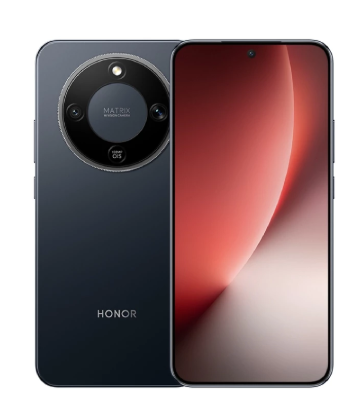
The debate between eSIM and traditional SIM cards often begins when users switch devices, travel abroad or change carriers. Both formats connect your phone to a mobile network, yet they work in fundamentally different ways. A physical SIM is a removable card you insert into a tray, while an eSIM is built directly into the phone’s hardware and activated digitally. Understanding how these two formats differ helps people decide which option fits their lifestyle, especially as more modern smartphones adopt eSIM capabilities. Some users who value simple switching and everyday convenience also consider devices like HONOR Magic 8 Lite uk, since models with streamlined connectivity features tend to attract those who enjoy flexibility without added effort.
How SIM and eSIM Differ in Design and Setup
How a Physical SIM Works in Everyday Use
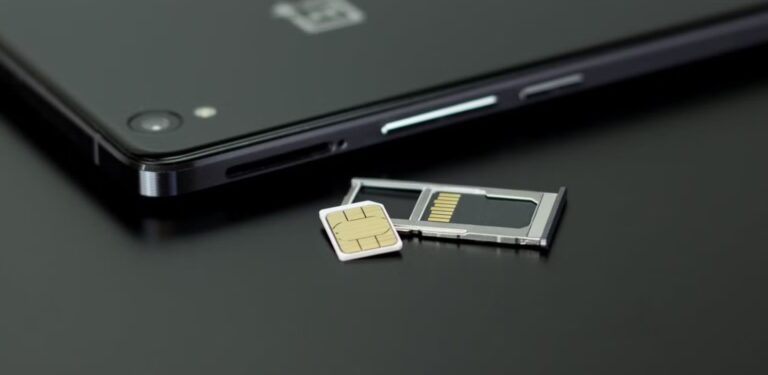
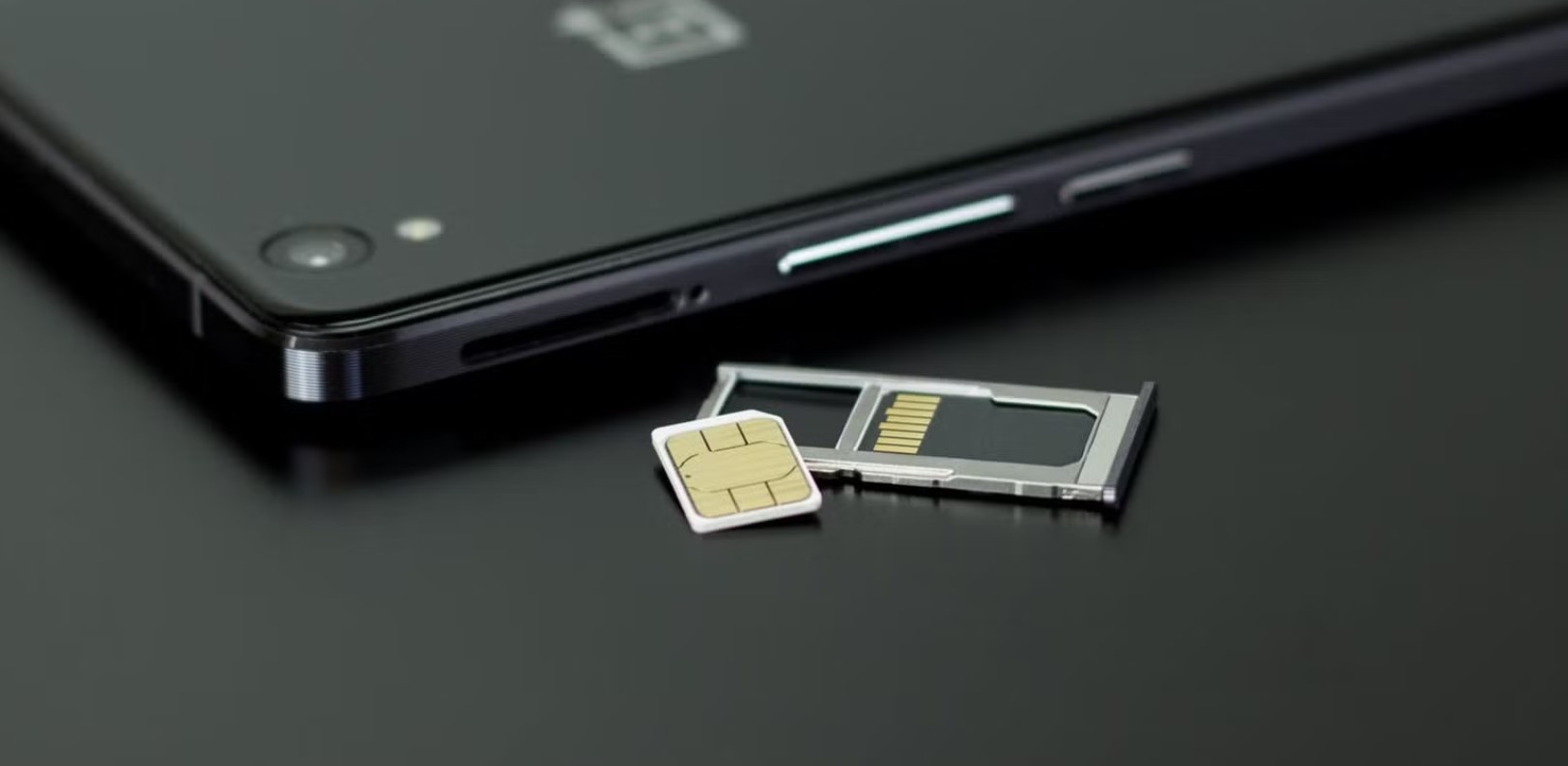
A physical SIM card functions as the removable identity module that stores basic carrier information. Users insert it into the SIM tray, and the phone connects automatically once the network is recognized. This format is familiar to nearly everyone because it has been the global standard for decades. People appreciate that they can move a SIM to another device easily—just swap the card, and the new phone connects. However, the process still requires physical handling, a compatible tray size and sometimes a SIM ejector tool. While it remains highly reliable, the physical SIM depends on the user’s ability to manage the card itself without misplacing or damaging it.
How an eSIM Stores Information Differently
An eSIM operates on the same principle as a SIM card but without the physical component. Instead, the information is stored inside a tiny chip embedded in the phone’s motherboard. Users activate it by scanning a QR code or downloading a carrier profile. Because everything happens digitally, there is no need to remove trays or handle small cards. This also helps avoid issues such as dust entering the SIM slot or the tray getting bent. Activation takes only a few steps and suits people who want a streamlined setup process. For frequent travelers or remote workers, activating temporary plans becomes more predictable and less dependent on physical accessories.
Why Setup Experiences Feel Different for Users
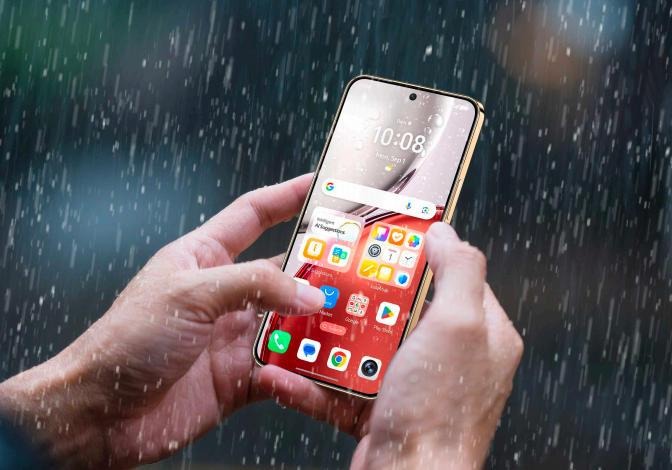
Setting up a physical SIM requires opening the device, handling the tray and inserting the card correctly, steps that some users find delicate or inconvenient. eSIM activation removes these physical steps entirely. Users can switch carriers or add secondary lines through settings without touching any hardware. This difference changes the rhythm of device setup and makes network management feel more integrated into the phone’s software environment. People who enjoy frictionless user experiences often gravitate toward phones with eSIM support because it shortens the time between unboxing and full network activation. Both formats work well, but the onboarding process feels very different.
How eSIM and SIM Influence Daily Life and Connectivity
How eSIM Helps When Switching Plans or Phones
One of eSIM’s strongest advantages is its convenience when changing plans. Instead of waiting for a physical card or visiting a store, users simply download a new profile. This becomes especially handy for travelers who want quick access to local data plans or professionals who manage work and personal numbers. The ability to store multiple profiles makes transitions smoother and reduces downtime. A physical SIM still works perfectly, but switching often requires acquiring a new card, inserting it and confirming compatibility. eSIM transforms this into a digital process, aligning with how people manage most other services today.
How Each Option Performs in Real-World Scenarios
In everyday use, both SIM and eSIM deliver stable connections, but their strengths appear in different scenarios. Physical SIM cards shine when users want a tangible backup or frequently move between devices that may not support digital activation. eSIM excels when flexibility matters—travel, dual-line management or simple plan switching. Some users even combine both formats to ensure they remain reachable no matter the situation. As mobile networks evolve, eSIM support continues to expand globally, making it more practical in many regions. Phones that incorporate eSIM capabilities appeal to people who want adaptability built into their devices.
How eSIM Encourages a More Seamless Device Experience
Because eSIM eliminates the need for trays and cards, it contributes to cleaner device design and fewer mechanical components. This shifts the user experience toward software-based control, where network settings live alongside other digital preferences. Managing mobile plans becomes as straightforward as adjusting Wi-Fi or Bluetooth settings. This sense of seamlessness is what many users look for in modern smartphones, and manufacturers respond by integrating eSIM with everyday convenience features. The shift mirrors how cloud services replaced physical files—removing friction without changing the core purpose.
Conclusion
The real difference between eSIM and SIM goes beyond physical form. A SIM card offers familiarity, simplicity and compatibility across nearly all mobile devices. An eSIM, meanwhile, delivers flexibility, digital convenience and easier plan switching without handling hardware. Both serve the same function, but each shapes the user experience differently. People who value travel-friendly features, effortless activation or multi-line management often find eSIM especially practical, while those who prefer a traditional, tangible option still rely on physical SIM cards. As smartphones continue to integrate more connected features, understanding the strengths of each format helps users choose the setup that best fits their daily routines and long-term needs.
About the Author